
One look.
The right hearing aid.
Scan the hearing aid. Helera finds the model and the parts that fit.
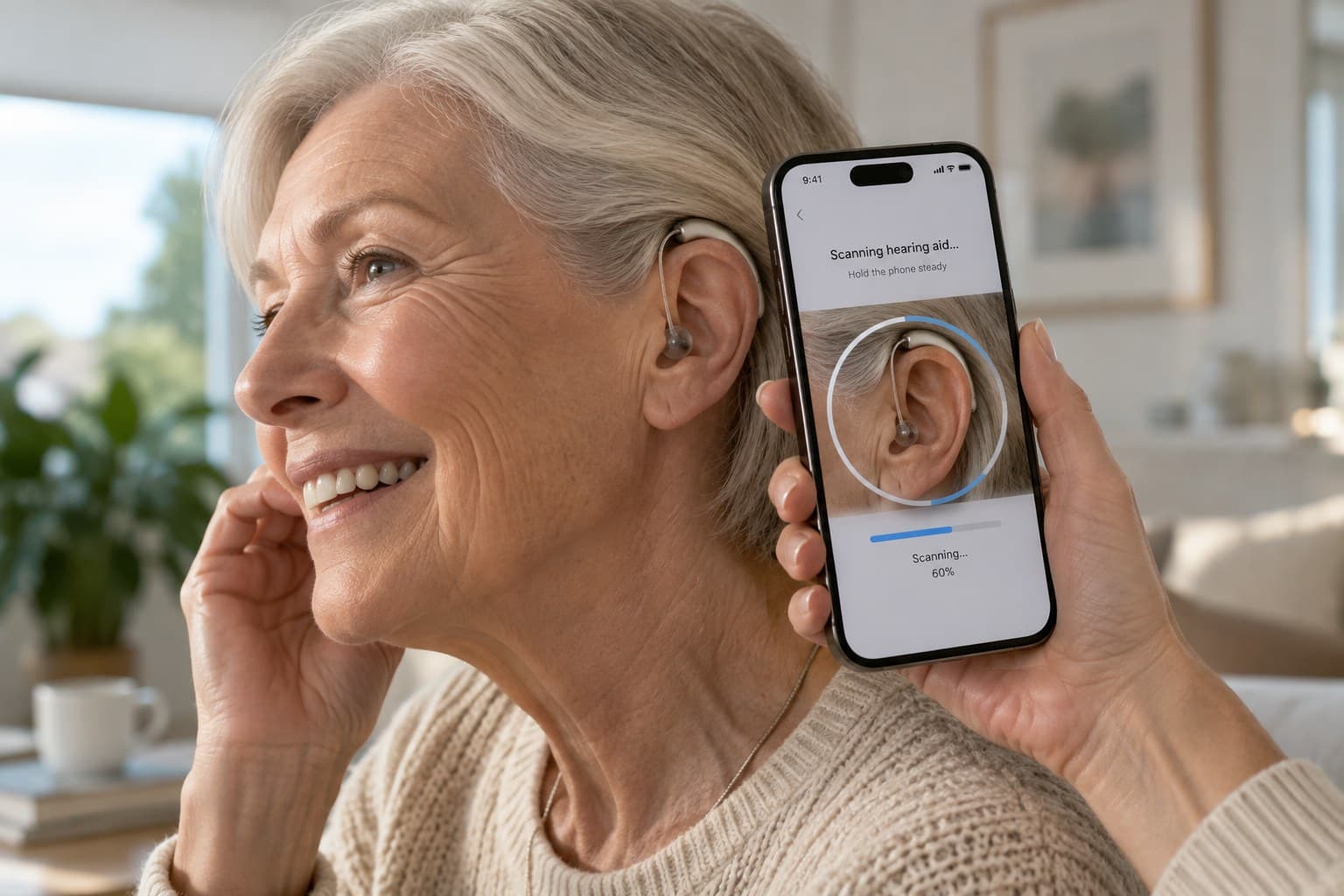
Scan. Identify. Alert.
Three steps, with no manual lookup along the way.
Scan
Hold the camera steadily over the hearing aid.
Identify
See the manufacturer, model and power type in one clear view.
Alert
Get help finding the right filter, dome or battery.
Built for the clinic's everyday
Model recognition
Trained on models from the manufacturers Norwegian clinics meet daily.
Filter alerts
Alerts based on usage patterns, not a fixed calendar date that rarely holds true.
Equipment in one place
Save devices and parts for yourself or someone you help.
Every common type. One recognition.
Helera helps with behind-the-ear and in-the-ear devices.
Behind-the-ear models
BTE – Behind-The-Ear
The device sits behind the ear with a plastic tube leading sound down to a custom earmould. Used for severe hearing loss.
RITE / RIC – Receiver-In-The-Ear
The receiver sits in the ear itself, connected to the device behind the ear by a thin wire to a dome or custom mould. The most common type today.
In-the-ear models
ITE – In-The-Ear
Largest in-the-ear device. A custom-moulded shell with no wire behind the ear. Suitable for moderate to severe hearing loss.
ITC – In-The-Canal
Medium size. Sits inside the ear canal and is barely visible from the outside.
CIC – Completely-In-the-Canal
Smallest device. Sits deep in the ear canal and is nearly invisible. Suitable for mild to moderate hearing loss.
The smaller the in-the-ear device, the smaller the hearing loss.
The parts that need replacing
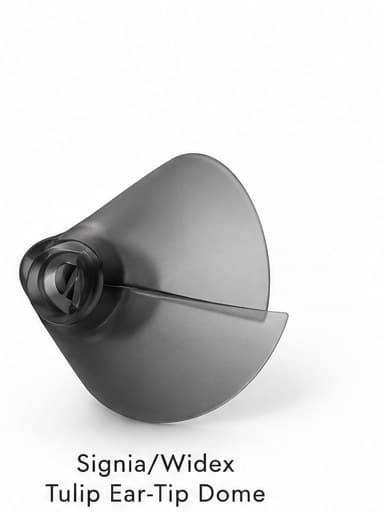
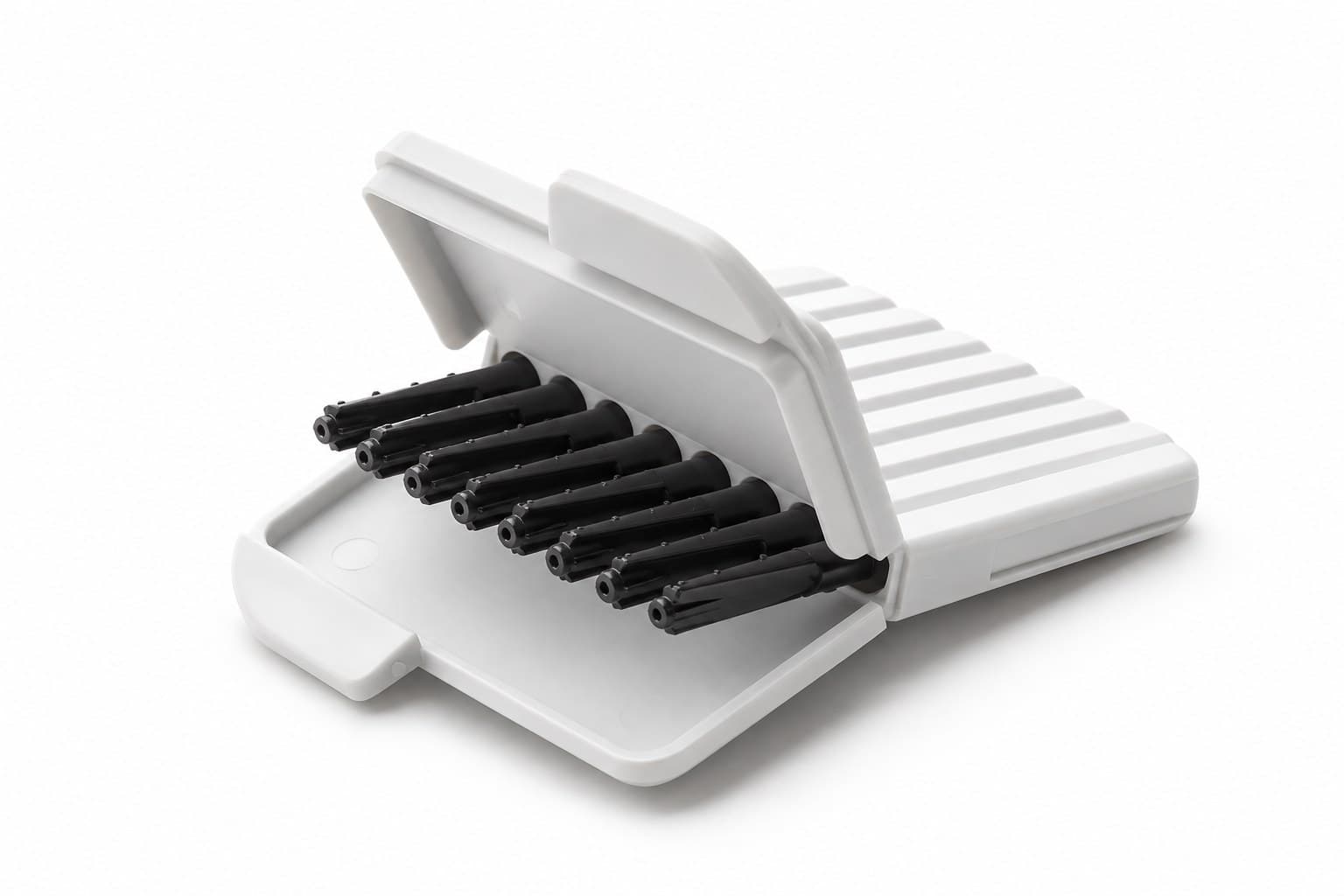
Find domes, wax filters and batteries that fit the device.
See consumables →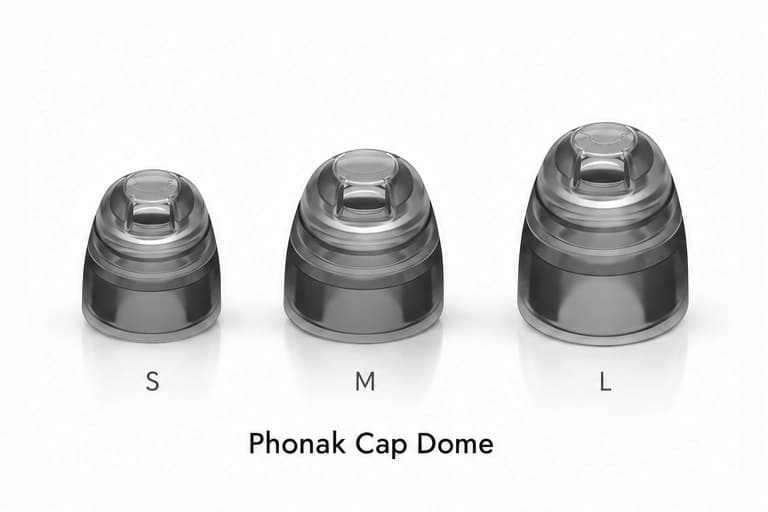
Hør forskjellen
Get in touch
Questions about hearing aids, filters or an appointment? We're here to help.
- Phone
- 67 53 20 51
- info@hovikhorsel.no
- Address
- O.H. Bangs vei 17, 1363 Høvik
- Opening hours
- Monday–Friday 08:00–17:00
Questions we get.
Scanning needs an internet connection in the current version. You will see a clear message if the connection is unavailable.
The alert is based on usage patterns and device type, not just a fixed calendar date that rarely fits the individual user. The camera does not read the filter itself — it sits inside the dome and is far too small to assess from a phone photo. The scan identifies the model, so the app knows which filter the device takes.
When a part is available in the webshop, the purchase button takes you to that product at Høvik Hørsel. The purchase, payment and delivery are completed there.
Høvik Hørsel is the retailer and handles payment, delivery, cancellation rights, returns and complaints. Their contact details and sales terms are linked at the bottom of the page.
Do not order based on a guess. Scan the hearing aid or find the model manually, then contact Høvik Hørsel or your audiologist if you are still unsure.
Helera processes only the information needed for the features you use. Scan images are sent only after explicit consent and are not retained by the current scanner after analysis. Full details are available under “Privacy” at the bottom of the page.
Helera.no does not use analytics tools, advertising pixels or marketing cookies. The website uses only necessary technical operations and local caching for secure delivery, faster loading and a basic offline page.
No. Helera provides practical guidance about devices and parts. Contact an audiologist or another healthcare professional for pain, sudden hearing loss or questions about your health.
Yes. The clinic's logo, name and booking information are set through a dedicated clinic profile, without the app's design changing for every clinic.
The training data covers the most common behind-the-ear and in-the-ear models Norwegian clinics meet, and is expanded continuously with new models.